Presence Is the Job: What a Visible Officer Actually Does
The tagline on Carl Vinson's website says security is free and presence is what you pay for, and it explains the whole business.
October 14, 2026 · 4 min read
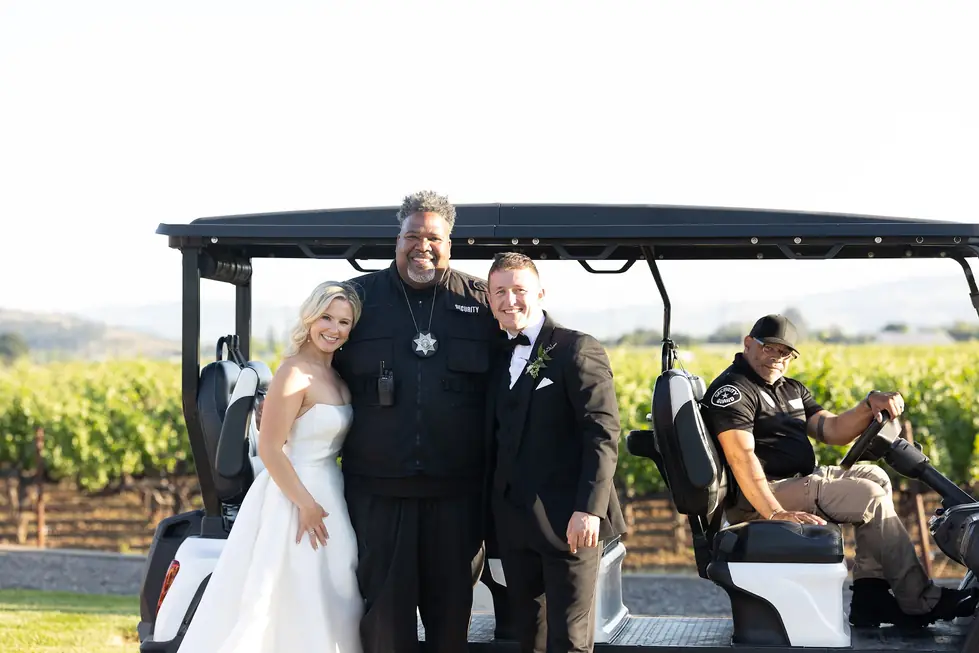
The tagline on the Made Man Protection website reads: “You Are Paying For Our PRESENCE, SECURITY is FREE, If You're Not VISUAL, No One Will Remember You!” It's an unusual thing for a security company to say about itself, and it's worth taking apart, because it describes what you're actually buying when you hire an officer for a wedding, a workplace or a night out.
What “presence” means
Presence means being seen. An officer in a vest, standing where guests can see him, tells everyone in the room that someone is responsible for it. Most trouble is a decision. Someone has a bad idea, looks around and checks whether anyone is paying attention. An officer who is visibly paying attention changes that decision before it turns into an incident.
That's why the line says security is free. Nobody can sell you the incident that didn't happen. What you can pay for is a person, standing in the right place for the right hours, who makes the bad idea less attractive. Jackie D., on the owner's testimonials page, described a film shoot in Oakland like this: “Carl's large presence was enough to deter any trouble and put our cast and crew at ease.”
Deterrence is the first layer
The best moment in security work is the one nobody notices. A man who was thinking about walking into a private party sees an officer at the door and keeps walking. A guest who has had one too many sees the same officer and decides to sit down. This is why a company that does its job well can look like it's doing nothing at all.
It also explains why visible matters more than hidden. Plain-clothes work has its uses, and Made Man Protection offers it, but for most events and workplaces you want people to see the officer. Kwamalita S., who hired Carl for a 2012 wedding, wrote: “His presence brings forth a calm.” Calm is the product. A room where people feel looked after behaves differently from one where they don't.
De-escalation does most of the real work
When something does come up, the officer's first tool is talking. A quiet word with the guest who is getting loud, a hand on the shoulder of a friend steering him toward the door, a conversation off to the side where nobody is embarrassed. Raising your voice or reaching for someone makes things worse almost every time. The skill is to end the problem at the lowest volume possible, and to do it so the bride's father never knows it happened.
That takes experience, and it takes the temperament to stay level when someone else isn't. Carl has more than 30 years in the business, and reviewers keep coming back to the same traits. Jennifer Mutz, who used him for a young adult event with several hundred attendees, called him “professional, respectful, and relates well to both youth and adults.” Those are de-escalation skills described by a customer.
Being respectful to your guests is part of the job
A visible officer can go wrong in the other direction, and a good company knows it. Your guests are not suspects, and you don't want a family party to feel like an airport checkpoint. Victor Pimentel, writing about his sister's quinceañera, said the officers “made everyone feel safe while still being respectful and friendly with our guests.” Renee Converse called Carl “professional, trustworthy and both respectful/respectable.”
That balance is hard to teach and easy to spot. It shows up in how an officer greets people at the door, how he asks to see an I.D., and how he handles a guest who needs to be asked to leave. When you meet a security company for the first time, pay attention to how they talk to you. You'll get the same manner at your event.
The same idea at the top end
Executive protection runs on the same principle, with more planning behind it. Carl's site lists protection details for elected officials, among them Congressman John Garamendi. The difference in that kind of work is more advance preparation, routes, timing and coordination. The idea underneath hasn't changed: a calm, visible person whose job is to be where the problem would start.
What to look for when you hire
If presence is what you're paying for, judge the company on it. Does the person you meet carry himself like someone you would want standing at your door? Are the licenses shown openly? Made Man Protection lists its BSIS license numbers on its website and describes itself as licensed and insured. Do past clients talk about how the officer treated people, not just whether anything happened? Five-star reviews that mention manners and communication are a good sign.
Pricing follows the same logic. The company's FAQ says it's based on the event, occupancy and length of time and how many security officers will be needed. You're paying for people, hours and the room they're covering. If you'd like to talk it through, call Made Man Protection at 510.677.8011 and book the free 15-minute consultation with Carl.
Made Man Protection, 510.677.8011
Call 510.677.8011More articles
Hiring Security for a Wedding or Quinceañera: What to Ask and When to Book
Most families wait until the venue is paid for to think about security, and the calendar punishes that order more often than you'd expect.
Fumigation Security: Why a Tented House Needs a Watch
For the nights the tent is up, your home is full of your belongings and has nobody in it, and everyone walking past can tell.