Security Precaution Tips From 30 Years on the Job
Most personal safety comes down to small habits you can start this week, and none of them cost much or take long.
October 14, 2026 · 4 min read
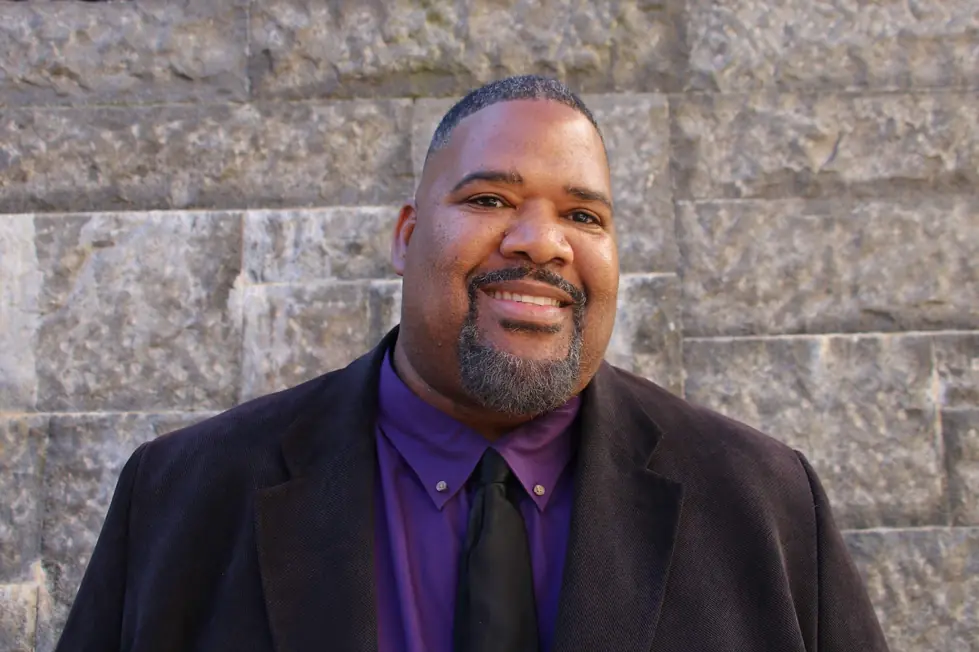
Carl Vinson has spent more than 30 years in the security industry, and he posts a short list of precautions on the Made Man Protection website. The advice isn't about gadgets or fear. It's about habits. This post takes each item on his list and fills in the ordinary reasoning behind it, so you can decide which ones fit your life. None of this replaces local advice from your police department, and it's no promise that anything will prevent a particular incident.
Pay attention to your surroundings
It sounds too simple to count as advice, but it's the one that matters most. Most of us walk through the day looking at a phone. Looking up lets you see who is behind you, which door is the nearest exit and whether something about a parking lot feels off. Security officers do this constantly without making a show of it. When you walk into a restaurant, a hotel lobby or a garage, take two seconds to notice where the exits are and who is around.
If something feels wrong, you're allowed to act on it. Cross the street, step into a store, walk back to where other people are. You don't owe anyone an explanation for avoiding a situation that gave you a bad feeling.
Leave work together, especially at night
Carl's list says to leave work together in a group at night. Offices and shops empty out slowly, and the last person to leave is often the one walking alone to a dark lot. If you can, make a habit with coworkers of walking out together and watching each other get into cars. It costs a few minutes of waiting and it removes the situation where one person is alone and distracted.
Employers can help here. One client on the testimonials page said Made Man's officers “make our employees feel safer, and most importantly, make our offices safer.” Posted officers are a service the company offers, and the same idea applies on a smaller scale when coworkers simply look out for each other.
Stop live-posting where you are
Sharing a photo from the beach house while you're still at the beach house tells strangers two things at once: where you are, and that your home is empty. The same goes for a story from a restaurant that tags the location, or a post about leaving for a week. Wait until you're home to post the pictures. It's a small change and it removes information from people who have no reason to have it.
Extra eyes at the grocery store and the gas pump
Carl's tip is to have extra eyes when you're grocery shopping and getting gas at night. These are routine errands, and that's why they're risky: your hands are full, your attention is on the receipt or the pump, and you're standing next to a car with the door open. Park near a light and close to the entrance. Lock the car when you go inside to pay. Put the bags in the trunk, get in the car, lock the doors and then check your phone, not the other way round.
Cameras and lights at home
The list recommends doorbell and motion cameras. A camera won't stop everything, but a visible one tells someone casing a porch that they'll be on record. Motion lights do something similar for free: they take away the dark. Point them at the places a person would stand to try a door or look through a window, and check that the batteries and wifi still work, because a camera that has been offline for a month is decoration.
An emergency backpack and a first-aid kit
Carl also recommends keeping an emergency backpack and a first-aid kit. This is not only about crime. It's for the day a power outage, a fire or an evacuation means you have ten minutes to get out. Keep it by the door or in a hall closet, and check it twice a year so nothing has expired. A reasonable starting point:
- Water and a few shelf-stable snacks
- A flashlight and spare batteries
- A basic first-aid kit and any medication you can't go without
- Copies of important documents, plus a list of phone numbers written on paper
- A phone charger and a small battery pack
Personal protection tools and your own judgment
Carl's list includes keeping pepper spray or a stun gun on you, and learning to use a firearm safely if you own one. Whatever you carry, you should know what is legal for you where you live, practice with it, and keep it where you can reach it, because a canister at the bottom of a purse does nothing. For firearms, safe handling and secure storage come before anything else.
Tools are the last layer, not the first. Awareness, lighting, company and a locked door do more day to day. If you want a second opinion on your home, your office or an upcoming event, Made Man Protection offers a free 15-minute consultation. Call 510.677.8011 and talk it through with someone who has been doing this since 2001.
Made Man Protection, 510.677.8011
Call 510.677.8011More articles
Hiring Security for a Wedding or Quinceañera: What to Ask and When to Book
Most families wait until the venue is paid for to think about security, and the calendar punishes that order more often than you'd expect.
Fumigation Security: Why a Tented House Needs a Watch
For the nights the tent is up, your home is full of your belongings and has nobody in it, and everyone walking past can tell.